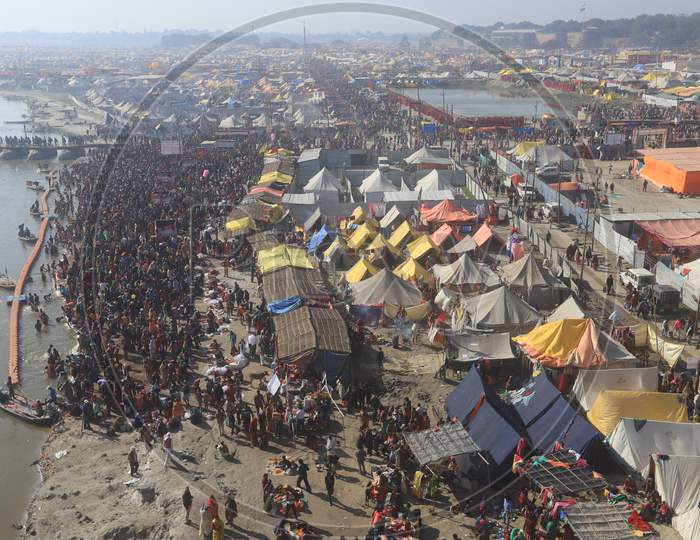
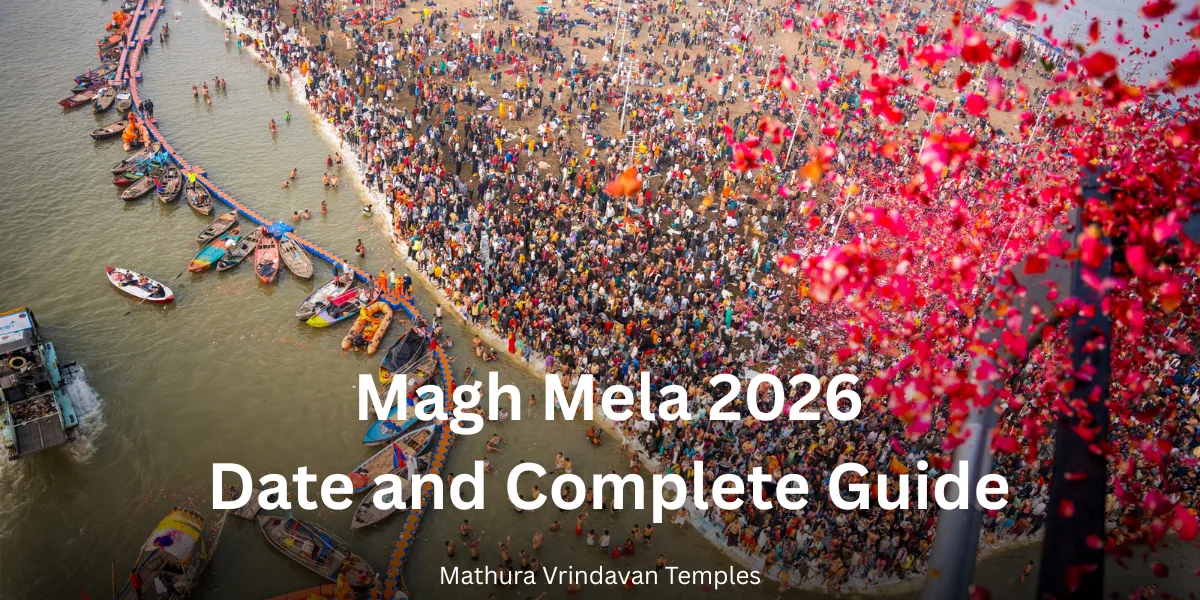
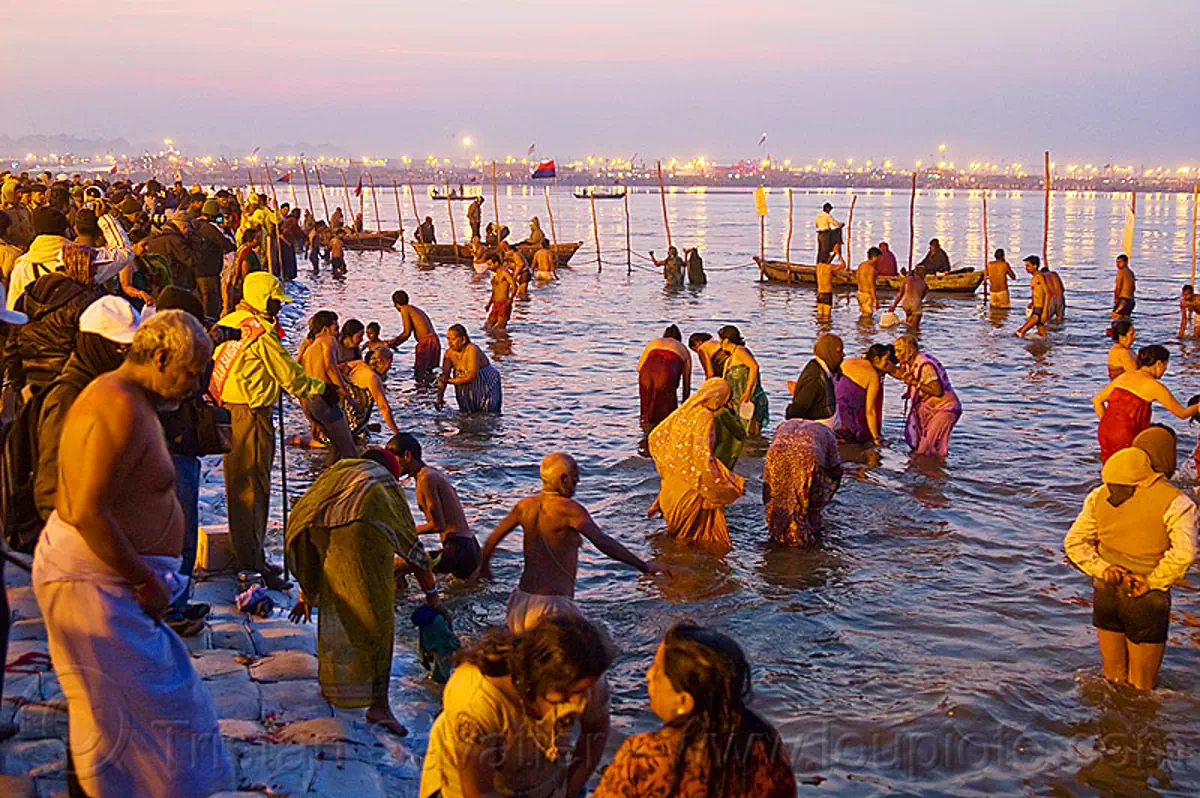
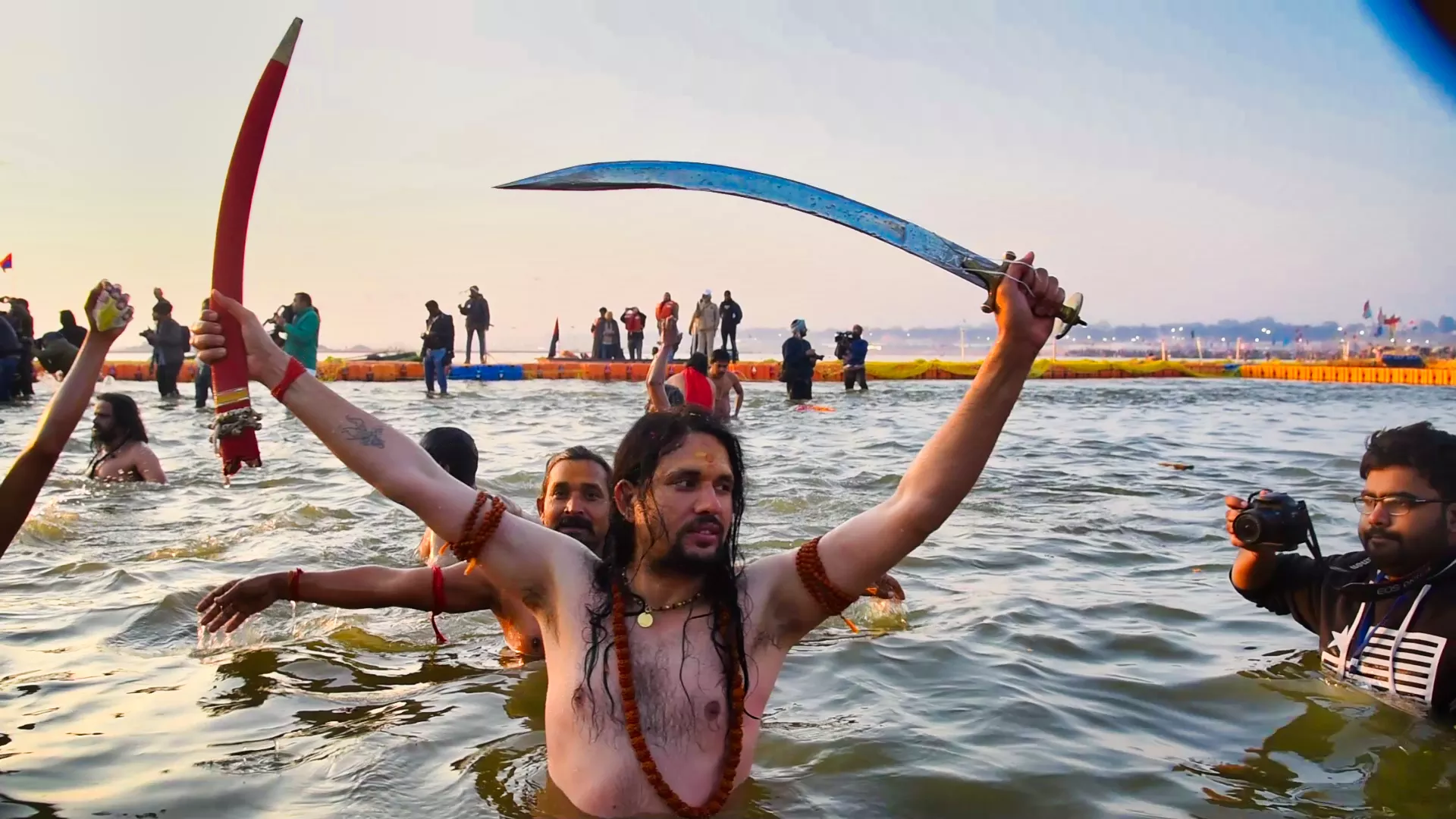
Magh Mela 2026 is one of India's most ancient and spiritually significant religious congregations, held every year on the holy banks of the Prayagraj Triveni Sangam. Rooted deeply in Sanatan Dharma, the Magh Mela is a month-long spiritual gathering that attracts saints, sages, Kalpvasis, pilgrims, and seekers from across India and the world.
Observed during the sacred Magh month (January–February) as per the Hindu lunar calendar, this divine event is centered around holy bathing (Snan), charity (Daan), spiritual discipline (Tapasya), and self-purification.
The Spiritual Significance of Triveni Sangam
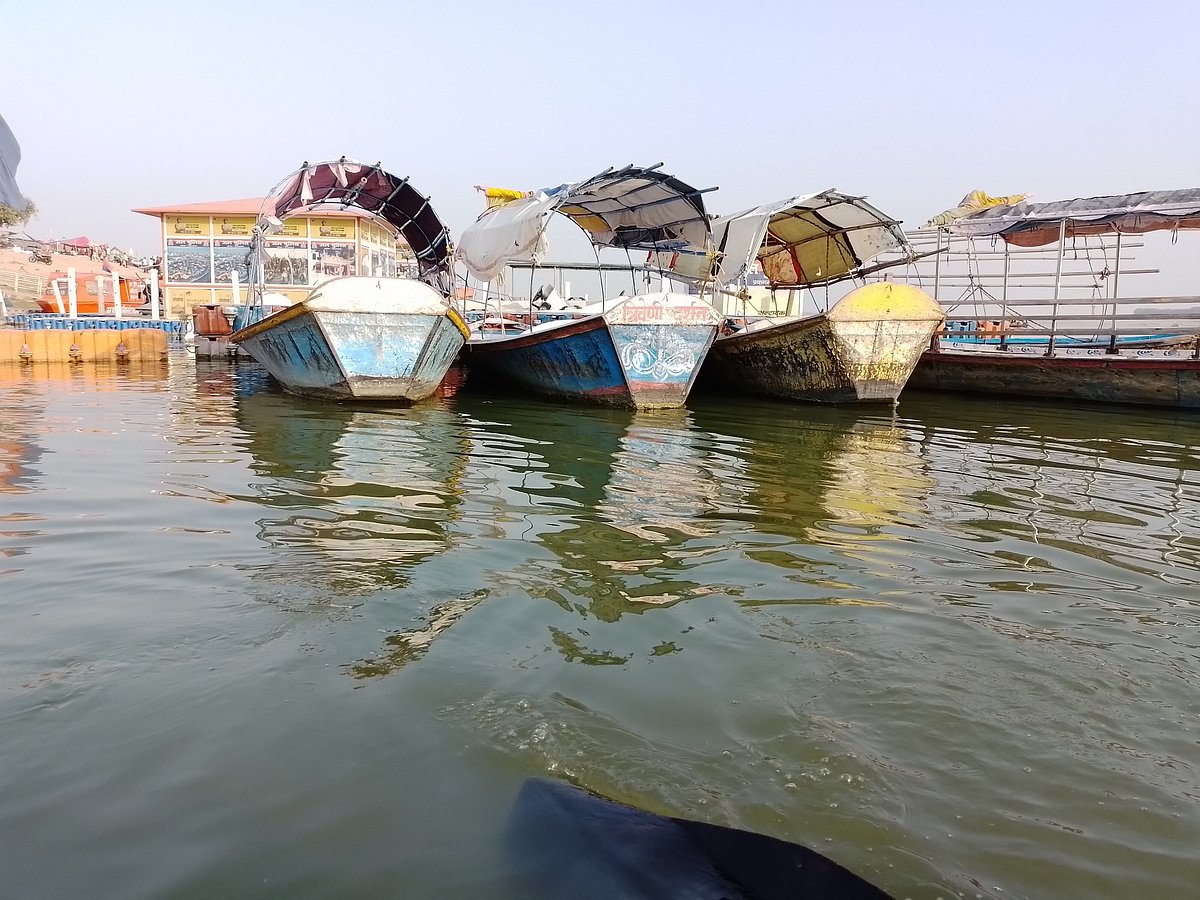
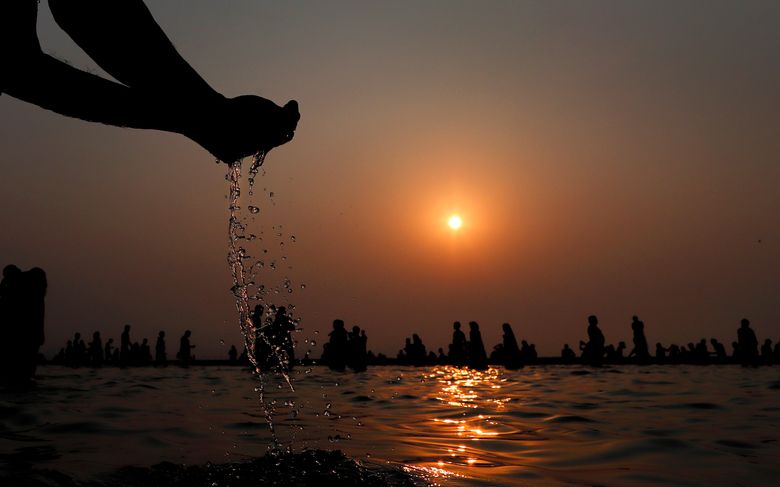
The Triveni Sangam is the sacred confluence of:
- Ganga – symbol of purity
- Yamuna – symbol of devotion
- Saraswati (invisible) – symbol of divine wisdom
According to ancient scriptures, a holy dip at the Sangam during the Magh month washes away sins of past lives and leads the soul closer to Moksha (liberation). This belief makes Magh Mela a deeply transformative experience, not merely a festival.
What Makes Magh Mela Different from Kumbh Mela?
While often referred to as Mini Kumbh, Magh Mela is a distinct annual spiritual observance:
Held every year, unlike Maha Kumbh (12 years)
Focuses on daily discipline and simplicity
Emphasizes Kalpavas – living by the river for a month
Less commercial, more spiritual in nature
Ideal for seekers, families, elderly devotees, and scholars
Magh Mela preserves the purest form of ancient Indian spiritual living.
Kalpavas – The Heart of Magh Mela
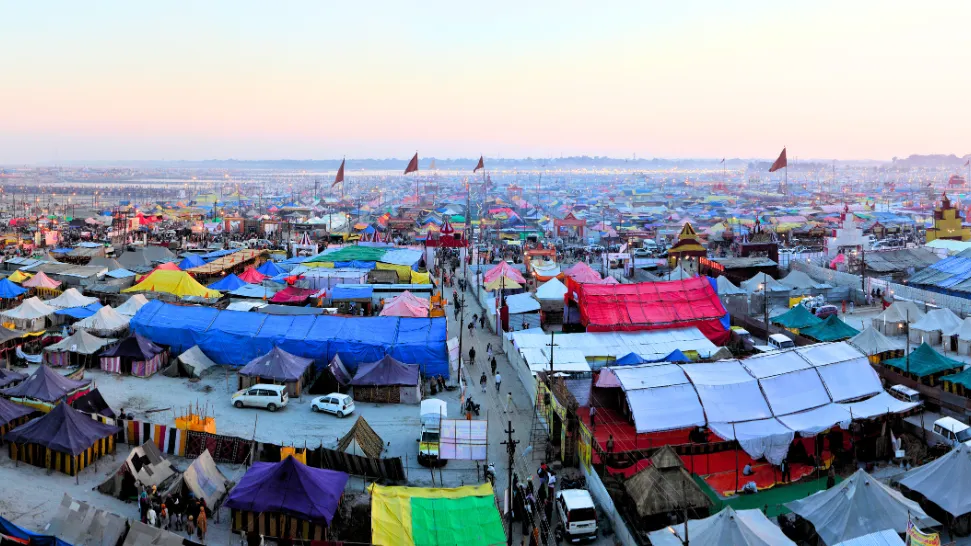
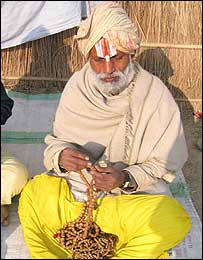
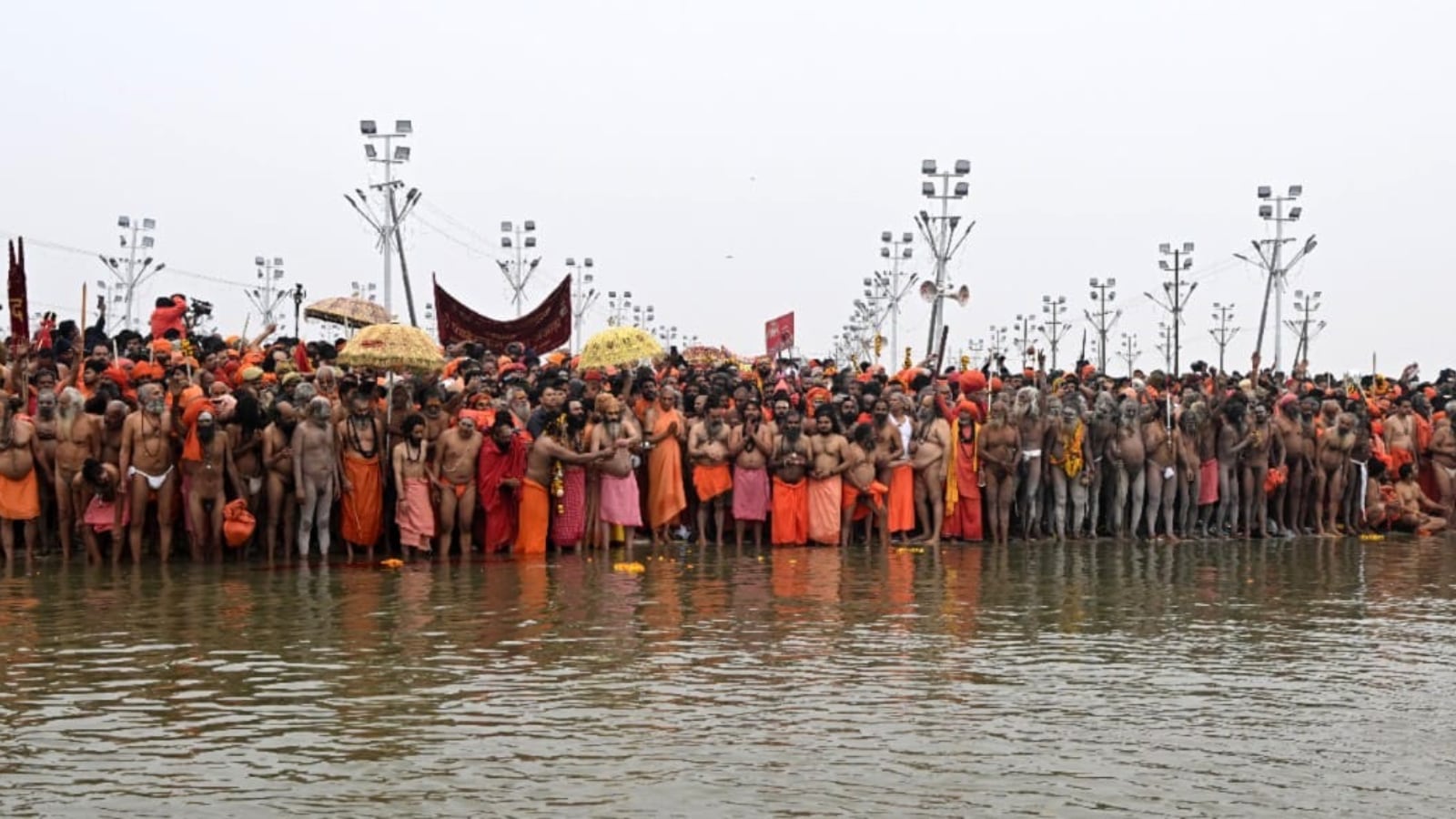
Kalpavas is a sacred vow where devotees live on the riverbanks throughout the Magh month, following a disciplined spiritual lifestyle.
Kalpavas includes:
- Daily Brahma Muhurat snan (pre-dawn holy bath)
- Simple vegetarian food
- Celibacy and self-restraint
- Charity and service
- Listening to discourses (Kathas)
- Meditation, chanting, and silence
Kalpavas is considered equal to years of intense penance and is a defining feature of Magh Mela.
Akharas, Saints, and Spiritual Discourses
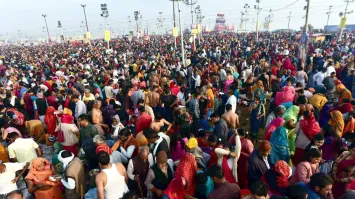
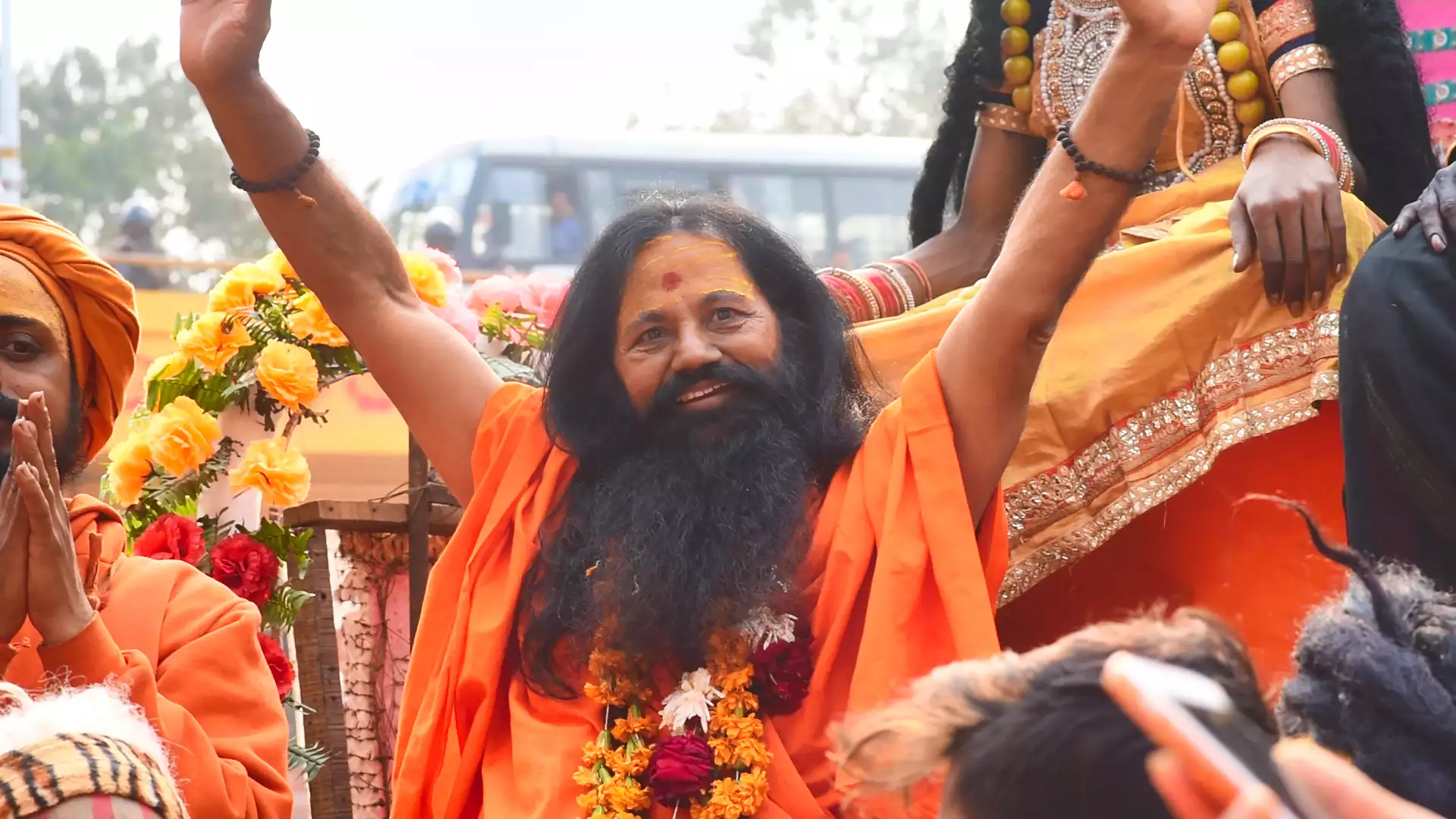
Magh Mela is a living university of Indian spirituality.
- Presence of Akharas, ascetics, and spiritual lineages
- Daily pravachans, bhajans, kirtans
- Discourses on Vedas, Upanishads, Ramayana, Bhagavad Gita
- Open spiritual discussions and guidance for seekers
This makes Magh Mela not only a religious gathering but also a center of spiritual education.
Cultural & Social Importance
Magh Mela is also a celebration of Indian culture:
Traditional rituals and yajnas
Folk music and devotional arts
Ancient food practices
Social harmony across castes and regions
It reflects unity in diversity, where millions coexist peacefully under spiritual discipline.
About Magh Mela 2026
Magh Mela 2026 will be observed from January to February 2026, with major bathing days like:
- Paush Purnima
- Makar Sankranti
- Mauni Amavasya
- Vasant Panchami
- Maghi Purnima
- Maha Shivratri
Each day carries unique religious significance and draws large gatherings of devotees.
Facilities & Modern Management
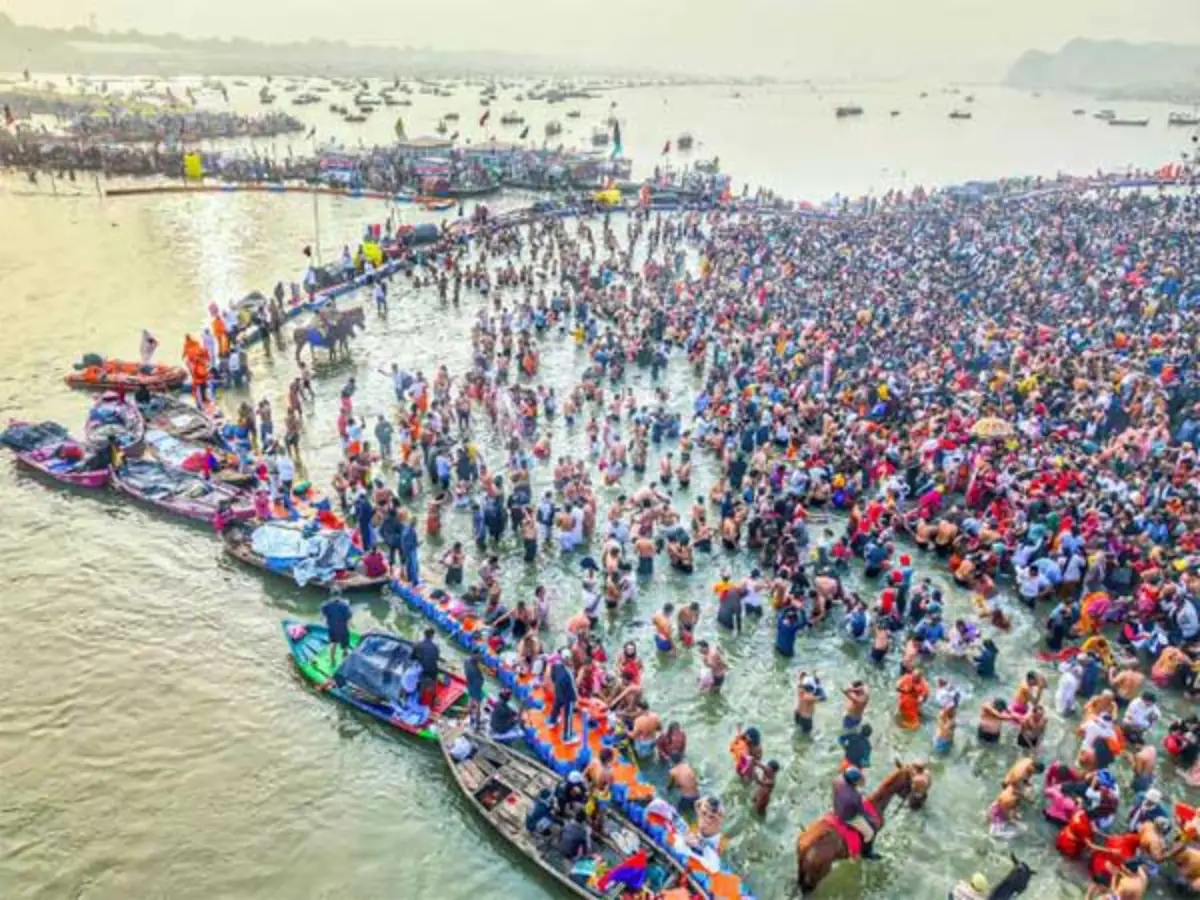
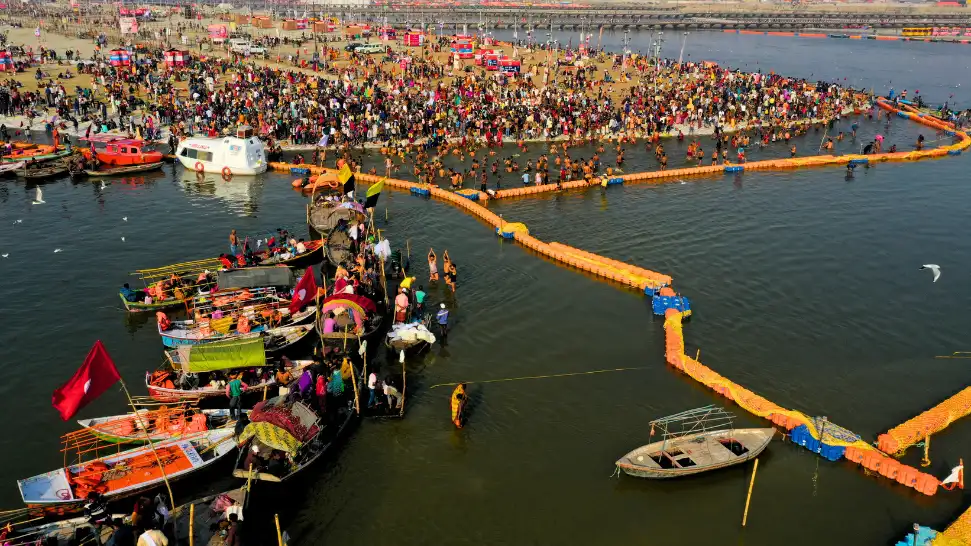
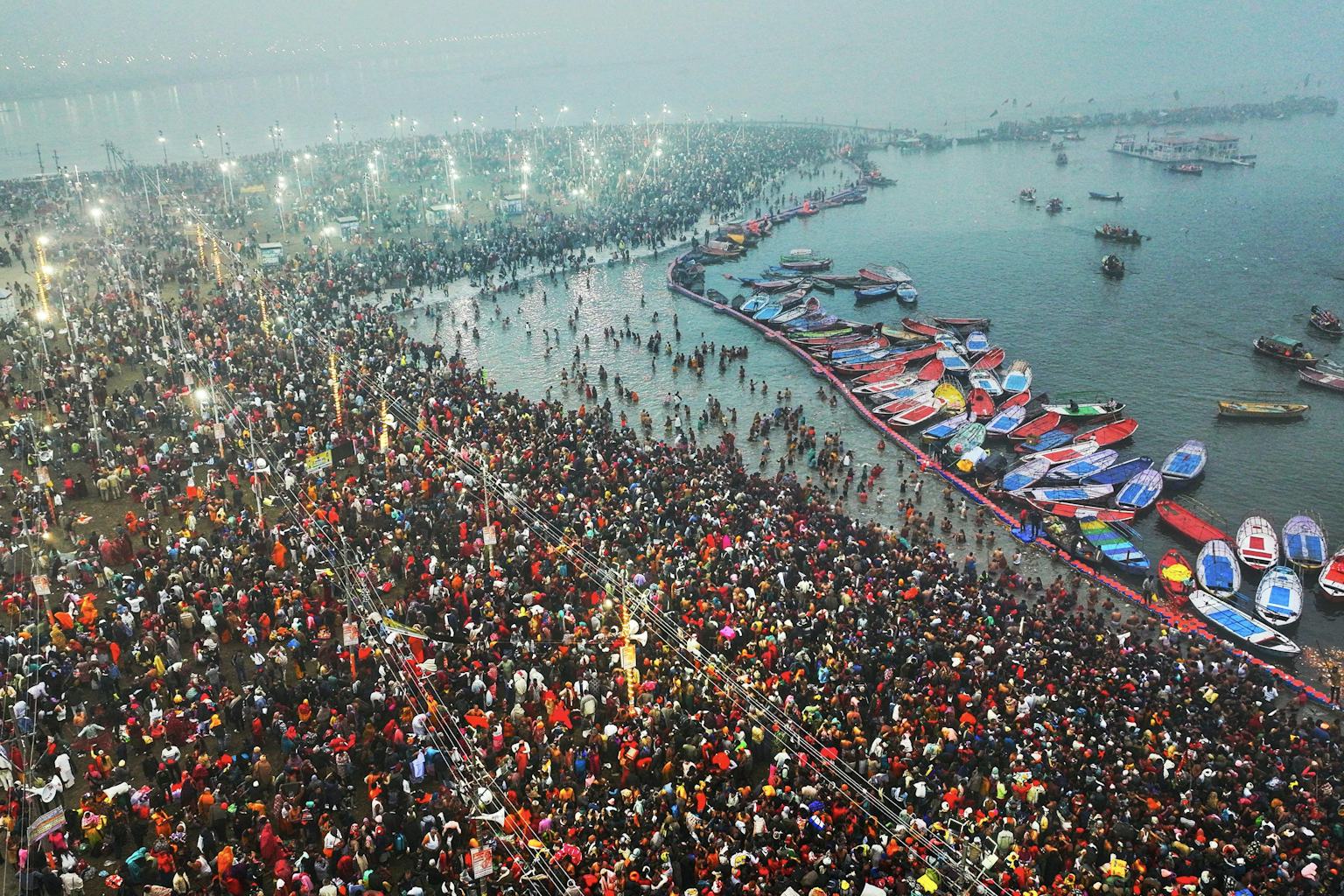
Despite its ancient roots, Magh Mela is supported by modern infrastructure:
- Temporary city with roads, lighting, and sanitation
- Medical camps and emergency services
- Drinking water & clean bathing ghats
- Security, crowd control, and lost-and-found centers
- Mobile apps for navigation and real-time updates
- AI-powered surveillance for safety
The event beautifully blends timeless spirituality with modern governance.
Purpose of This Website
This website is created to serve as a complete, reliable, and easy-to-understand guide for Magh Mela 2026.
Provide accurate snan dates & muhurat timings
Help pilgrims plan travel and stay
Educate visitors about rituals & traditions
Promote safety, awareness, and discipline
Preserve the spiritual essence of Magh Mela
Whether you are a first-time visitor or a lifelong Kalpvasi, this platform is designed to support your sacred journey.
Ready to Plan Your Sacred Journey?
Explore important dates, book parking, and prepare for your spiritual experience.